
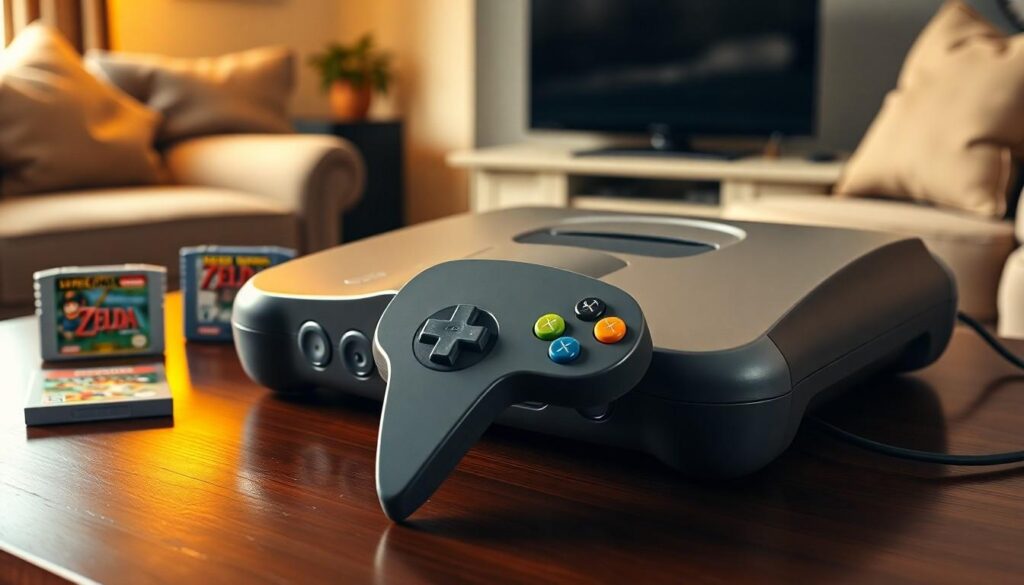
Picture this: it’s the late ’90s, and gaming is about to get a whole lot more exciting. Enter the Nintendo 64, a console that took the gaming world by storm and introduced players to 3D adventures and unforgettable multiplayer mayhem. But when exactly did this iconic system make its grand debut? Spoiler alert: it wasn’t yesterday, but it sure feels like it!
Overview of the Nintendo 64
Launched in June 1996 in Japan and September 1996 in North America, the Nintendo 64 defined a new era in gaming. It marked Nintendo’s first foray into 3D graphics, providing players with an immersive experience previously unseen. Featuring a 64-bit architecture, the console allowed developers to create detailed environments and rich character models.
The Nintendo 64 introduced groundbreaking titles like “Super Mario 64” and “The Legend of Zelda: Ocarina of Time.” Both games received critical acclaim and left a lasting impact on the platforming and adventure genres. Multiplayer gameplay became a significant feature, allowing up to four players to join in on the action simultaneously through its unique controller design.
Innovations included the introduction of the Rumble Pak, enhancing gameplay immersion by providing tactile feedback. The console’s use of cartridges rather than compact discs, while debated, contributed to faster load times and increased durability.
Though the Nintendo 64 faced competition from the Sony PlayStation and Sega Saturn, it cultivated a loyal fan base. Sales figures show that the console sold over 32 million units worldwide, solidifying its place in gaming history.
In the years since its release, the Nintendo 64’s influence persists, evident in modern game design and nostalgic references in various media. Its legacy continues to resonate, showcasing the combination of innovation and creativity that defined an unforgettable gaming generation.
Key Features of the Nintendo 64

The Nintendo 64 introduced innovative features that significantly enhanced the gaming experience. Its impact is felt even today.
Hardware Specifications
The Nintendo 64 featured a 64-bit CPU with a clock speed of 93.75 MHz. It utilized cartridges, which allowed for faster loading times compared to CDs. Memory consisted of 4 MB, expandable to 8 MB with the Expansion Pak. A distinctive aspect was its graphics processing unit, enabling rich, vibrant 3D graphics and textures. The capability to render environments with detailed polygons transformed gameplay experiences. It supported resolutions up to 640×480, ensuring a visually engaging experience for users.
Unique Game Design
Unique game design played a pivotal role in the Nintendo 64’s success. The incorporation of 3D graphics allowed for expansive game worlds and dynamic camera movements. Games like “Super Mario 64” redefined platforming by merging exploration with traditional mechanics. Additionally, its four controller ports enabled competitive multiplayer gameplay, fostering social interactions among gamers. Innovative use of open-world environments and non-linear gameplay mechanics captivated players. The console’s design choices led to memorable gaming experiences that influenced future game development.
Historical Context
The Nintendo 64 emerged during a pivotal time for the gaming industry, marking a transition toward more immersive experiences. Gamers in the 1990s embraced 3D environments and innovative gameplay. The introduction of 64-bit consoles shifted the focus from 2D sprites to more complex graphics. Titles released during this era captivated audiences, showcasing the potential of advanced computer technology.
The Gaming Industry in the 1990s
The gaming industry underwent significant evolution throughout the 1990s. Developers prioritized storytelling and gameplay mechanics, paving the way for rich narratives. Console capabilities expanded, with improved graphics and sound enhancing player engagement. Franchises like “Final Fantasy” and “Mortal Kombat” gained immense popularity, attracting diverse audiences. Players increasingly sought multiplayer experiences, reflecting a growing desire for social interaction in gaming. Overall, the revolutionary shift encouraged a competitive landscape that drove innovation.
Competition with Other Consoles
Competition in the console market intensified during the Nintendo 64’s launch. The Sony PlayStation entered the scene, offering CD-based games and superior storage. Sega Saturn also positioned itself as a strong contender, presenting ambitious 3D graphics. Despite these challengers, the Nintendo 64 carved out its niche through exclusive titles and innovative gameplay mechanics. Market analysts point to its 32 million units sold as evidence of its successful strategy. Gamers often debated the merits of each console, highlighting preferences for unique features. This rivalry nurtured innovation, ultimately benefiting players with increasingly sophisticated gaming experiences.
Release Timeline
The release timeline of the Nintendo 64 marks significant moments in gaming history. It began with a highly anticipated launch that redefined player expectations.
Initial Launch Date
The Nintendo 64 made its debut on June 23, 1996, in Japan. This initial release set the stage for a new generation of gaming, complete with advanced 3D graphics and engaging gameplay. Gamers eagerly embraced the console, fueled by excitement for iconic titles like “Super Mario 64.” The launch represented Nintendo’s commitment to innovation, which captured the attention of both casual and dedicated gamers alike.
Global Release Dates
Following its initial launch, the Nintendo 64 reached North America on September 29, 1996. European gamers received the console on March 1, 1997. This staggered release allowed Nintendo to build momentum, generating buzz and anticipation across different markets. Each new date marked a step forward in the gaming landscape, as players around the world sought to experience the revolutionary advancements of the Nintendo 64. The console quickly became a staple in many households, ultimately solidifying its legacy in gaming history.
Impact on Gaming
The Nintendo 64 reshaped the gaming landscape with its innovative features and design.
Innovative Technologies
Revolutionary advancements marked the Nintendo 64’s entry into the market. Its 64-bit architecture allowed for vivid graphics and expansive game worlds. Players experienced enhanced immersion with the introduction of the Rumble Pak, providing tactile feedback during gameplay. The unique controller design supported four players simultaneously, fostering a social gaming environment. Game titles like “Super Mario 64” utilized these innovations, enabling dynamic camera movement and exploration. Developers leveraged the console’s capabilities to create detailed characters and rich environments, setting a new standard in game design.
Lasting Legacy
The Nintendo 64’s impact extends beyond its era, influencing modern gaming significantly. Many core gameplay mechanics introduced during its lifecycle remain prevalent in today’s games. Players often cite “The Legend of Zelda: Ocarina of Time” as a benchmark for narrative depth and engaging gameplay. Its exclusive titles garnered critical acclaim, cementing a dedicated fan base. This console’s emphasis on multiplayer gameplay shaped future gaming trends, leading to experiences centered around collaboration and competition. Nostalgic references and remakes of classic titles continue to appear in modern media, highlighting its lasting influence on gaming culture.
Conclusion
The Nintendo 64 remains a landmark in gaming history. Its innovative approach to 3D graphics and multiplayer gameplay set new standards that still influence the industry today. The console’s unique titles and design fostered a vibrant gaming community, making it a beloved platform for many.
As nostalgia for the Nintendo 64 continues to thrive, its impact can be seen in modern gaming experiences. The legacy of this iconic console endures, reminding players of a time when gaming began to evolve into the immersive art form it is now.

